



Your Canadian Thanksgiving Prep Guide: Turkey, Ham, Potatoes and Pie
2019 Oct 11th
Thanksgiving falls on the second Monday in October, a date fixed in 1957, when Governor General Vincent Massey proclaimed a national day of thanks for the bountiful harvest with which Canada has been blessed. Nearly seventy years later, that harvest still means one thing in most Canadian kitchens: a long weekend of feasting with family and friends.
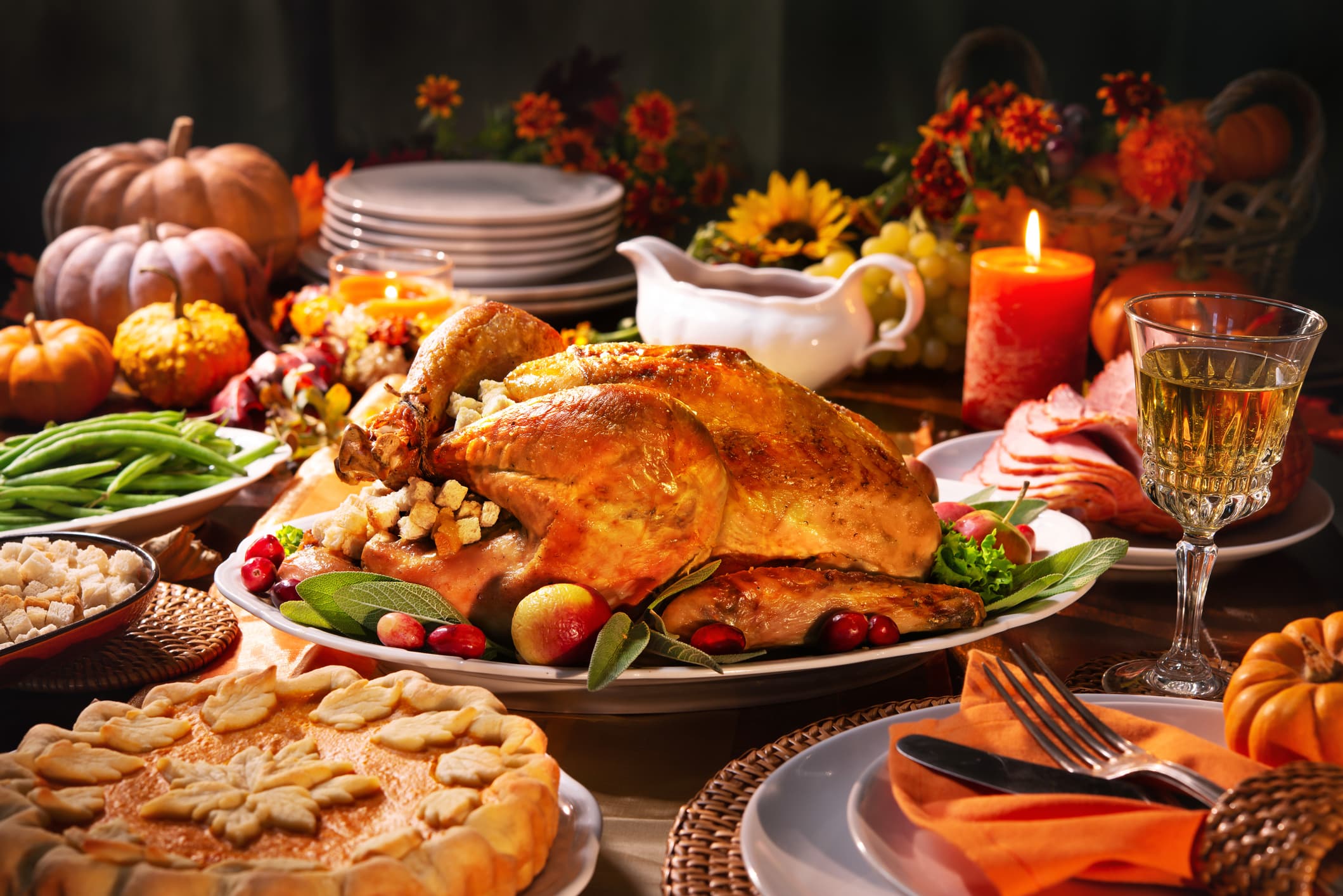
Turkey anchors the table, and a ham alongside it turns dinner into a proper spread. Sides do the rest. Plenty of home cooks find the whole thing daunting: one oven, four dishes, everyone arriving at six. It comes together far more easily than you'd think with the right equipment and a plan for the order you cook in. Here's both.
Plan Backwards From Dinner
Almost everything that causes Thanksgiving stress is a timing problem, not a cooking problem. Work back from when you want to eat:
- Three to four days ahead: start thawing a frozen turkey in the refrigerator; allow about 24 hours for every 2 kg (4–5 lb). A 7 kg bird needs three full days.
- The day before: brine the turkey. Bake pies. Make gravy base and cranberry sauce.
- Morning of: ham into the slow cooker. Peel potatoes and hold them in cold water.
- Turkey in: a stuffed bird needs roughly 30 minutes more than an unstuffed one, so check your bird's weight against your roaster's guidance and add a buffer.
- Last 45 minutes: potatoes in, gravy finished. The turkey should be resting during this window, not cooking.
- Resting is not optional. Give the turkey 20–30 minutes tented under foil. It carves better and stays juicier, and it frees your oven at exactly the moment you need it.
Brining: The Step Worth Not Skipping
The most important prep piece when roasting a turkey is brining, and it's the step that scares people off. It shouldn't. The ratio is simple: 500 mL (2 cups) each of brown sugar and kosher salt to 7.5 L (2 US gallons) of water, which is right for a 7–8 kg (15–18 lb) turkey. Your favourite herbs do the rest.
Melt the salt and sugar in just enough water to bring to a boil in a saucepan; the Demeyere Atlantis saucepan is ideal. Add your herbs to the hot mix and let it cool to room temperature. Pour the cooled mix into a turkey brining bag along with the remaining ice-cold water, and mix by squishing the bag. Add the turkey, seal it, and refrigerate for 24 hours.
One rule matters more than the rest: the brining turkey has to stay at 4 °C or colder for the full 24 hours. A produce drawer works for a bird under 7 kg if your refrigerator has the room. If it doesn't, use an insulated cooler with ice packs and check it with a thermometer rather than leaving the bag anywhere that drifts warmer. Brining is a clean, simple method that produces a succulent turkey without the mess, but only when it stays properly cold.
Roast It or Fry It
For roasting, a large stainless steel roaster oven handles a big bird and keeps your main oven free for sides. For deep frying, a purpose-built turkey fry set does the job, with real caution attached:
- Outdoors only, on level ground, well clear of the house, garage, deck or anything overhead.
- The turkey must be completely thawed and thoroughly dried. Water or ice hitting hot oil causes violent boil-over.
- Don't overfill. Measure your oil level with the turkey in the empty pot first, then remove the bird and fill to that mark.
- Never leave it unattended, and keep a dry chemical fire extinguisher nearby. Never use water on an oil fire.
Either way, cook to temperature rather than to the clock: 82 °C for whole poultry and 74 °C for stuffing, whether it's cooked in the bird or alongside. Use a digital instant-read thermometer in the thickest part of the thigh, not touching bone; colour and cooking time are not reliable indicators.
Maple Ham in the Slow Cooker
A Thanksgiving spread isn't complete until the ham lands beside the turkey. This is a Canadian take on jambon au sirop d'érable (ham in maple syrup) with a pale ale in the sauce. It cooks itself in a slow cooker while your oven handles the turkey, which is the real reason it belongs on this menu.
Canadian Thanksgiving Maple Ham
Serves 8–10 · 15 minutes prep · 5–6 hours in the slow cooker
Ingredients
- 2.5 kg (5 lb) smoked ham
- 1 tbsp dry mustard
- 1 tbsp Dijon mustard
- 6 whole cloves
- 1 bottle pale ale
- 250 mL (1 cup) pure Canadian maple syrup
- Water to cover
- Pepper to taste
Directions
- Pat the ham dry and place it in the slow cooker. Don't rinse it under the tap: washing raw meat splashes bacteria around your sink and counter without making the meat any safer.
- Stud the ham with the cloves.
- Whisk both mustards into the pale ale, then add the maple syrup, a little water and pepper.
- Pour the mixture over the ham and top up with water to cover as much of it as you can. Keep the cooker no more than two-thirds full.
- Cover and cook on Low for 5 to 6 hours, until the ham reaches 71 °C on a thermometer.
- Wrap the ham in foil and hold it at 60 °C or above while you cook the potatoes in the remaining liquid. Resist lifting the lid during cooking; each peek costs roughly 20 minutes!
Those cooking juices are the point. They make a perfect base for potatoes, and they'll become a sauce in a cast iron skillet with butter, a little ham fat and flour. Add cheddar and gruyère and you have the sauce for a genuinely good au gratin.
Potatoes and Gravy
Potatoes are a must-have Thanksgiving side: mashed, scalloped, baked, au gratin or as a salad, they earn their place at any table. Gravy is their natural partner and it's straightforward with the right tools: a fat separator to skim the drippings, a cast iron skillet to build the roux, a good balloon whisk to keep it smooth, and a gravy boat to bring it to the table properly.
Dessert, and What to Do With the Leftovers
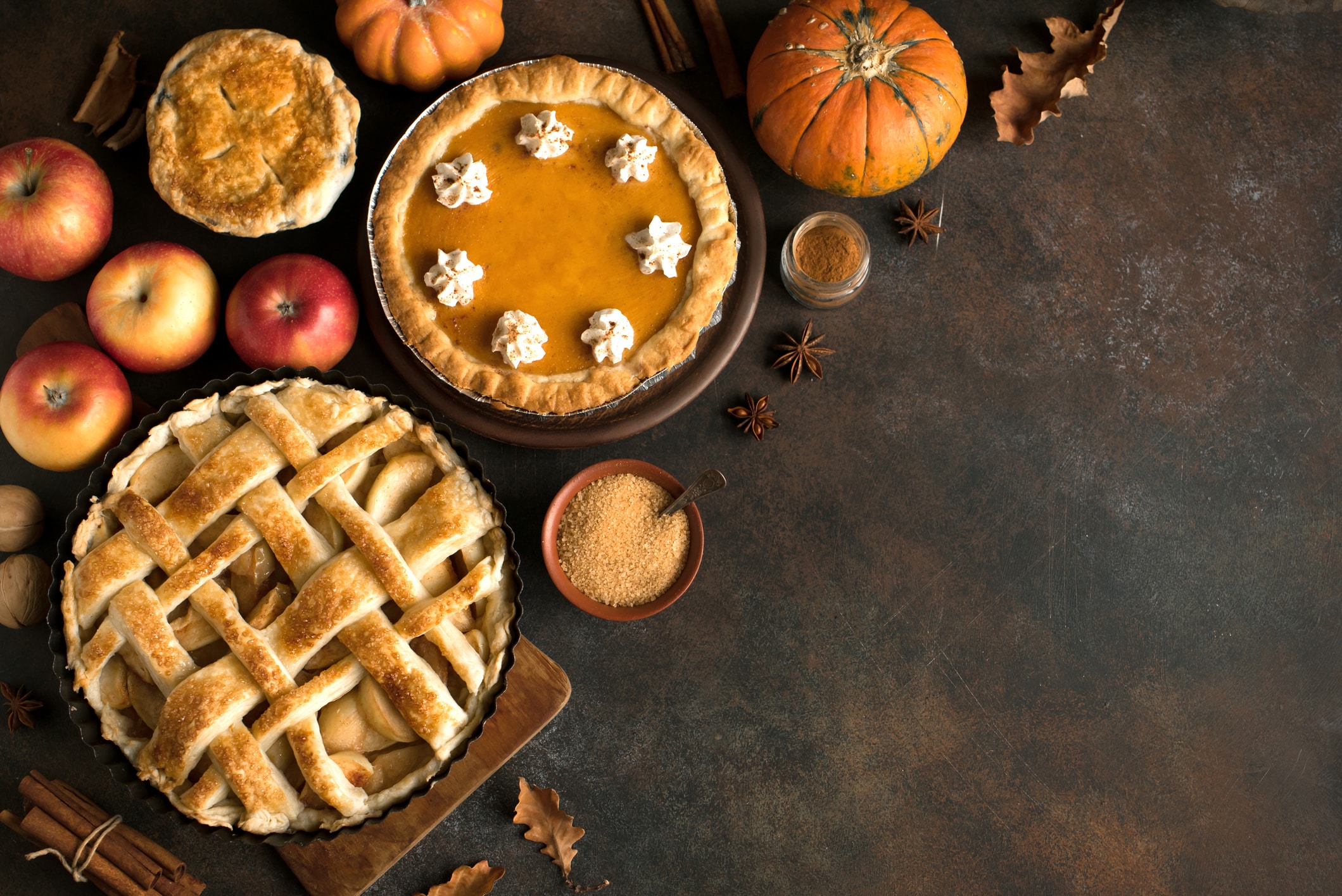
Canadian dessert tables do not lack for choice. Nanaimo bars, pumpkin, mincemeat and apple pies, and an apple oatmeal crisp for the morning after. Pies are the one component you should bake the day before without hesitation; they hold beautifully and they clear your oven for the bird.
When the feasting is done, get the leftovers refrigerated within two hours. Move them into shallow containers so they cool quickly rather than leaving them in a heavy roasting pan, and eat refrigerated leftovers within two to three days or freeze them. Reheat to 74 °C, and bring gravy to a full rolling boil.
