


The Essential Guide to Commercial Kitchen Cooking Equipment
2026 May 11th
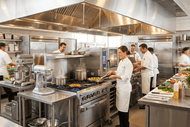
Outfitting a professional kitchen is a strategic investment that drives consistency, speed, and safety. Whether you are launching a fast-casual concept or upgrading a full-service operation, understanding commercial kitchen cooking equipment helps you build a reliable, efficient back-of-house. This guide covers the importance of kitchen tools and equipment in commercial cooking, a practical list of commercial kitchen cooking equipment, and proven tips for selection, layout, and maintenance.
Why Commercial Kitchen Equipment Matters
The importance of kitchen tools and equipment in commercial cooking comes down to predictable performance at scale. Purpose-built, NSF-certified gear delivers the output, temperature control, and durability required for high-volume service while supporting food safety and compliance.
- Consistency: Repeatable results through precise temperature control and uniform heat distribution.
- Throughput: Higher BTU or kilowatt ratings and larger capacities reduce ticket times.
- Food Safety: Proper holding temperatures, HACCP-friendly monitoring, and easy-to-clean surfaces.
- Energy Efficiency: ENERGY STAR models can lower utility costs and heat load.
- Labor Optimization: Ergonomic designs and multi-function units decrease training and prep time.
Commercial Kitchen Cooking Equipment List
Use this list as a starting point, then tailor it to your menu, volume, and space:
- Cooking Line: Ranges (open burners), griddles/plancha, charbroilers, fryers, convection ovens, deck ovens, combi ovens, salamander broilers, tilt skillet/braiser, induction cooktops, steamers, microwave/rapid cook ovens, sous-vide immersion circulators.
- Cold Side and Storage: Walk-in coolers/freezers, reach-in refrigerators/freezers, undercounter prep fridges, refrigerated prep tables, blast chillers, ice machines.
- Holding and Warming: Hot holding cabinets, heated shelves, bain-marie/steam tables, heat lamps, proofers/retarders.
- Food Prep: Planetary and spiral mixers, food processors, slicers, immersion blenders, vacuum sealers, scales, peelers.
- Smallwares and Tools: NSF cutting boards, chef’s knives, spatulas, tongs, ladles, thermometers, sheet pans, hotel pans, inserts, storage containers with date labels.
- Ventilation and Fire Safety: Type I/II hoods, make-up air, grease filters, fire suppression (UL 300/Ansul).
- Warewashing and Sanitation: High-temp or low-temp dishwashers, three-compartment sinks, glasswashers, pre-rinse sprayers, sanitizer dispensers, floor drains, mop sinks.
- Work Tables and Shelving: Stainless steel tables, equipment stands, dunnage racks, wall shelving, casters for mobility.
- Point-of-Use Safety: Oven mitts, cut-resistant gloves, guards, floor mats, first-aid and burn kits.
Choosing the Right Equipment for Your Menu and Space
Start with your menu, peak volume, and kitchen footprint. Then consider utilities (gas, electric, steam), ventilation requirements, and local code compliance. Prioritize multi-functionality where possible to save space and reduce the cost of ownership.
Match Capacity and Performance to Demand
Size fryers, ovens, and refrigeration for your busiest 15–30 minutes. Check BTU or kW ratings, basket or pan capacities, and recovery times. Fast recovery minimizes bottlenecks during rush periods.
Cooking Line Essentials
For most restaurants, a flexible core includes a range with ovens, a griddle, and a fryer. Add a charbroiler for searing, a convection oven for even baking and roasting, and a salamander for finishing. Combi ovens deliver steaming, convection, and combination modes with programmable recipes, ideal for consistency and labor savings. A tilt skillet (braiser) can sear, simmer, fry, and hold, replacing multiple single-use appliances.
Cold-Side and Holding Considerations
Keep raw and ready-to-eat items separated with dedicated reach-ins or prep tables. A blast chiller supports HACCP cooling steps, especially for batch-cooked sauces or proteins. Use hot holding cabinets and steam tables to maintain safe temperatures without quality loss.
Prep Equipment and Smallwares
Choose mixers (planetary vs. spiral) based on dough hydration and batch size. Pair a robust food processor with slicers and immersion blenders for speed and uniformity. Invest in high-quality knives, thermometers, and NSF boards; small tools compound speed and safety benefits across every shift.
Get Expert Support for Your Commercial Kitchen Project
Our team at Williams Food Equipment helps restaurants, cafés, institutions, and foodservice businesses select the right equipment, plan efficient layouts, and make the most of their space, energy, and workflow. We also offer flexible financing options, including lease-to-own and rent-to-own programs.
Call 1-888-334-3233Layout, Ventilation, and Compliance
A logical line layout (cold prep to hot cook to pass) shortens steps and reduces cross-traffic. Place heavy-use items within ergonomic reach and on casters for cleaning. Ventilation drives comfort, air quality, and compliance: Type I hoods capture grease and smoke above fryers and charbroilers; Type II hoods handle heat and steam for non-grease equipment. Ensure make-up air is balanced to avoid drafts and temperature swings. Verify NSF listings, UL/ETL safety marks, and local health/fire code requirements before purchase.
- Zone the kitchen by task: receiving, storage, prep, cook, plate, and wash.
- Keep hand sinks visible and accessible in prep and cook areas.
- Provide clearances for service access and heat dissipation per manufacturer specs.
- Plan electrical and gas drops to minimize cords and trip hazards.
Efficiency, Durability, and Total Cost of Ownership
Total cost of ownership (TCO) includes purchase price, installation, utilities, maintenance, and downtime. ENERGY STAR-rated fryers, ovens, and refrigerators reduce operating costs and heat load. Look for stainless steel construction, welded frames, and service-forward designs (hinged panels, common parts) to cut repair time.
- Verify warranty terms (parts and labor) and local service network coverage.
- Confirm replacement part availability and typical lead times.
- Compare utility requirements and projected annual energy use.
- Assess automation features (programmable controls, probes) that reduce training.
Cleaning and Maintenance Best Practices
Daily, weekly, and monthly routines extend lifespan and protect food safety. Build checklists into shift changeovers and record tasks for accountability.
- Daily: Skim fryer oil, wipe down and delime steamers, clean griddles, sanitize handles and high-touch areas.
- Weekly: Deep-clean hoods and filters, descale kettles and coffee equipment, calibrate thermometers.
- Monthly/Quarterly: Service gas valves and pilot assemblies, inspect gaskets, check fryer boil-out schedule, verify hood balance, and fire system tags.
- Always: Follow manufacturer manuals for approved chemicals and tools to avoid damaging surfaces or seals.
FAQs
What is the difference between a convection oven and a combi oven?
A convection oven circulates hot air for faster, more even cooking, ideal for baking, roasting, and dehydrating. A combi oven adds steam and controlled humidity, enabling steaming, roasting, and combination modes in one unit. Combi ovens improve yield, consistency, and menu flexibility but cost more upfront.
Do I need a Type I or Type II hood?
Type I hoods are required over grease- and smoke-producing equipment like fryers, charbroilers, and ranges; they include grease filters and fire suppression. Type II hoods are for heat and steam (no grease), such as dishwashers or some ovens. Always confirm requirements with local code officials.
Gas vs. electric equipment: what should I choose?
Gas offers instant heat and lower operating costs in some markets, while electric provides precise control, easier installation in all-electric buildings, and lower hood loads with induction. Evaluate utility rates, ventilation capacity, and menu needs when deciding.
How big should my fryer and range be for a 100-seat restaurant?
Many 100-seat operations start with two 35–50 lb fryers and a 6–10 burner range plus a convection oven. Actual needs vary by menu mix and peak demand; review basket turnover and recovery time during your busiest periods to size correctly.
How often should I service my commercial kitchen equipment?
Perform daily cleaning, weekly deep cleans, and quarterly professional service on high-heat and high-grease equipment. Schedule semiannual hood cleaning and annual fire suppression inspections. Follow manufacturer intervals to maintain warranties.
A thoughtful plan that aligns your commercial kitchen cooking equipment list with menu, volume, and compliance needs will maximize uptime, control costs, and ensure the importance of kitchen tools and equipment in commercial cooking translates to real-world consistency and profitability.
