


How to Clean Baking Sheets: Fast, Safe Methods by Pan
2026 Jul 20th
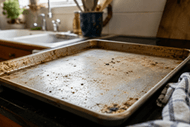
Grimy sheet pans don’t have to be a lost cause. In this guide, you’ll learn how to clean baking sheet pans quickly and effectively - whether you’re tackling light stains, sticky residue, or baked-on grease. We’ll cover how to clean cookie sheets with baked on grease, plus proven methods using baking soda and vinegar, and safe tips for aluminum, non-stick, and silicone. Use the step-by-step sections below to restore your pans without damaging their finish.
Quick Answer: Best Ways to Clean (Cookie) Baking Sheets
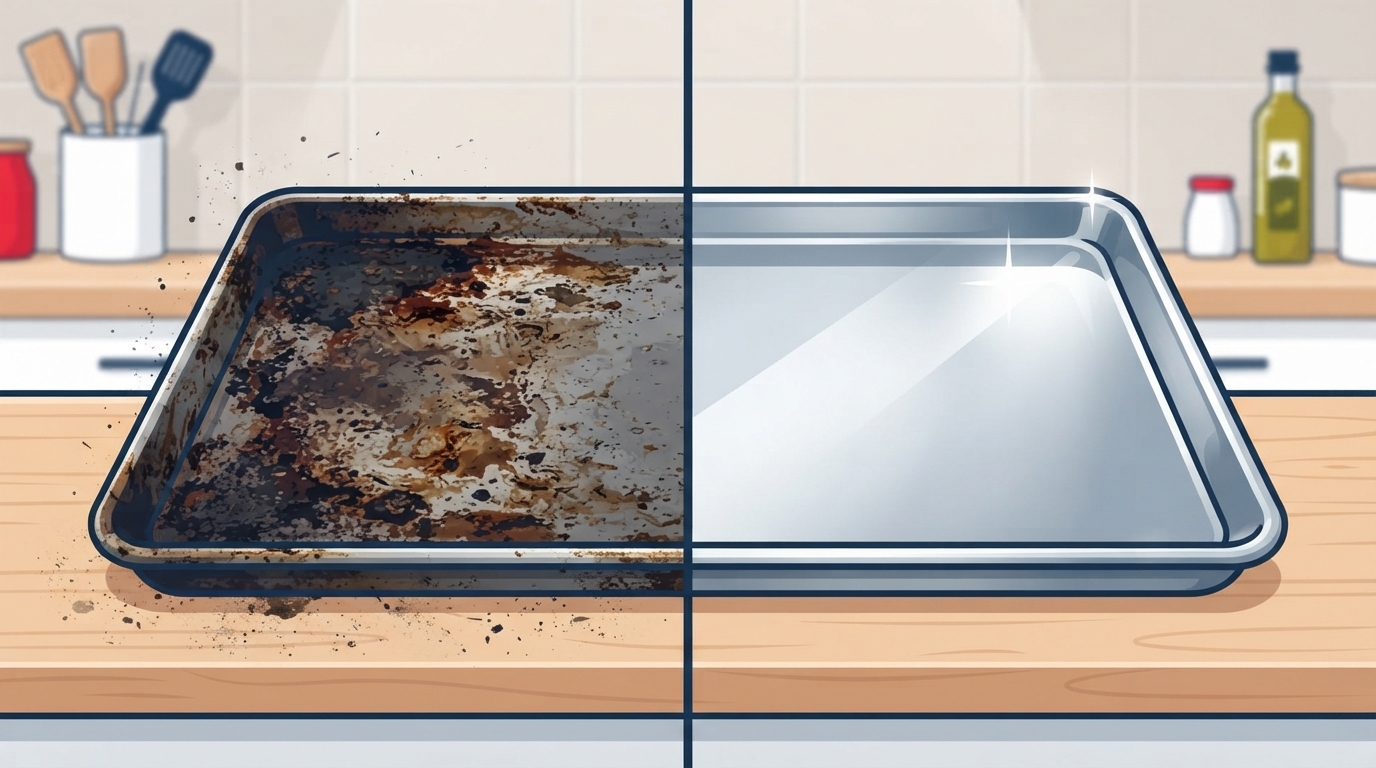
If you just need the highlights on how to clean baking sheets:
- Baking soda paste: Gentle, reliable for most stains and finishes.
- Baking soda + vinegar: Foaming lift for grime; limit contact on aluminum.
- Hydrogen peroxide + baking soda: Powerful on deep, baked-on grease (avoid non-stick).
- Hot water + dish soap soak: Eases up fresh, light residue.
- Non-abrasive scrubbers only: Save non-stick and aluminum from scratches.
- Prevention: Line with parchment or silicone mats to minimize buildup.
Step-by-Step: How to Clean Cookie Sheets
This section helps you decide how to clean baked on sheets and which method to use based on soil level and pan material.
Method 1: How to Clean Baking Sheets with Baking Soda
Baking soda is a safe, gentle abrasive that works on most surfaces.
For light stains
Sprinkle baking soda over the pan. Add a few teaspoons of hot water to form a spreadable paste. Let sit 10–15 minutes, then scrub with a nylon sponge. Rinse and dry thoroughly.
For stuck-on residue
Make a thicker paste (2–3 tablespoons baking soda + just enough water to form a paste). Spread over stains, rest 30–45 minutes, then scrub in small circles. This is a go-to when learning how to clean baking sheets with baked on grease without harsh chemicals.
Method 2: How to Clean Baking Sheets with Vinegar
Vinegar reacts with baking soda to lift grime. Great for stainless and aluminized steel; keep contact brief on aluminum.
Foam-and-lift approach
Dust the pan with baking soda. Spray or drizzle white vinegar until it foams. Let sit 10–15 minutes. Wipe and scrub gently with a nylon pad, rinse well, and dry. This combo is excellent for how to clean cookie sheets with baked on grease when a simple soak isn’t enough.
Method 3: Deep-Clean for Baked-On Grease
For severe buildup on bare metal pans (not non-stick), use hydrogen peroxide plus baking soda.
Heavy-duty paste (avoid non-stick)
Sprinkle baking soda over stains, then pour a thin layer of 3% hydrogen peroxide to form a wet slurry. Rest 1–3 hours. Scrub with a nylon brush, rinse thoroughly, and dry. This method tackles how to clean baking sheets with baked on grease when standard methods fail.
Method 4: Gentle Soak and Soap
When deciding how to clean baking sheets after everyday use: a hot soak does wonders.
Soak first, then scrub
Fill the pan with very hot water and a few drops of dish soap. Soak 20–30 minutes. Loosen residue with a soft sponge, then rinse and dry. Repeat as needed. This is safest for non-stick coatings.
Material-Specific Guidance
Match the method to your pan to avoid damage while maximizing results.
How to Clean Aluminum Baking Sheets
Aluminum is soft and reacts with acids, so avoid long vinegar soaks and harsh abrasives.
- Use baking soda paste and a soft sponge; rinse promptly.
- Limit vinegar contact to brief foam-and-wipe if needed, then rinse immediately.
- Try a paste of cream of tartar (aluminum-friendly) with water for discoloration.
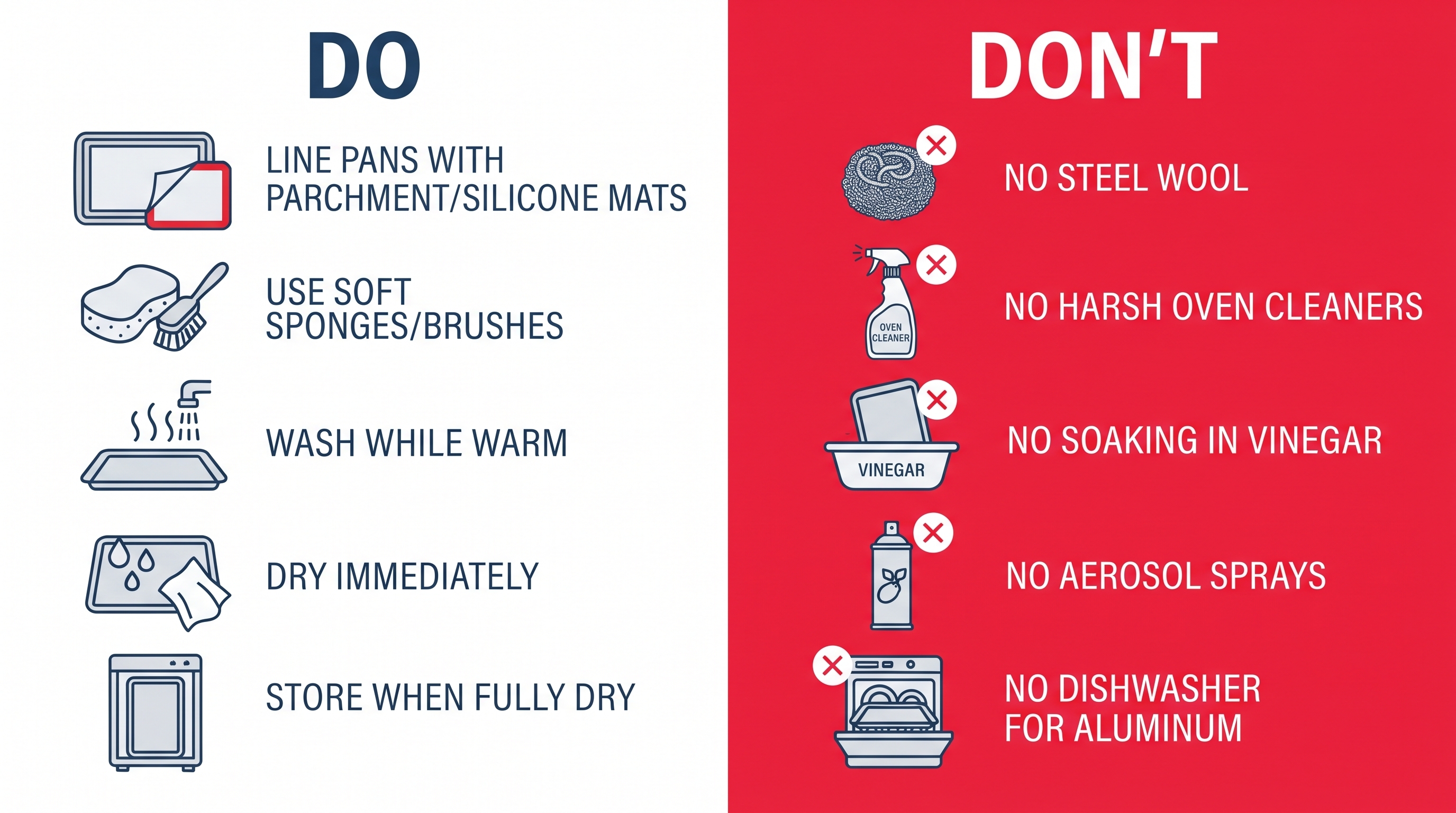
- Hand-wash only; the dishwasher can dull and pit aluminum.
These tips help clean aluminum baking sheets without scratching or darkening the surface.
How to Clean Non Stick Baking Sheet
- Avoid steel wool, scouring powders, and aggressive chemical cleaners.
- Use warm water, mild dish soap, and a nylon sponge after each use.
- For stains, apply a gentle baking soda paste, rest 15 minutes, and wipe lightly.
- Skip hydrogen peroxide and prolonged vinegar use; they can weaken coatings.
Consistent gentle care is the safest plan for how to clean non stick baking sheet surfaces and preserve their easy-release finish.
How to Clean Silicone Baking Sheet Naturally
- Degrease with very hot water and dish soap first; scrub both sides.
- Deodorize by sprinkling baking soda, rubbing it in, and letting it sit 20 minutes.
- Rinse, then wipe with a vinegar-damp cloth to cut lingering oils; rinse again.
- Stubborn odors? Rub with half a lemon, rest 10 minutes, and wash. Air-dry fully.
These steps help you clean silicone baking sheets naturally without bleach or harsh solvents.
Prevent Stains and Sticky Build-Up
- Line pans with parchment or silicone mats to reduce scrubbing.
- Avoid aerosol cooking sprays on sheet pans; they can bake into sticky films.
- Wipe and wash while warm (not hot) to remove residue before it hardens.
- Dry immediately to deter rust and discoloration; store fully dry as well.
- Use non-abrasive tools: nylon brushes, soft sponges, and plastic scrapers.
- For stainless/aluminized steel only, a gentle cleanser labeled safe for cookware can help occasional deep cleans.
FAQs: How to Clean Baking Sheet Pans
What is the fastest way to clean lightly soiled cookie sheets?
A hot water and dish soap soak for 15–20 minutes, followed by a nylon-sponge scrub. For a small boost, use a quick baking soda paste.
How do I clean cookie sheets with baked on grease without scratching?
Start with baking soda paste and a nylon scrubber. If needed, use a brief baking soda + vinegar foam. For bare metal only, escalate to hydrogen peroxide + baking soda. Avoid steel wool on aluminum and non-stick.
Can I use oven cleaner on sheet pans?
It can be too harsh, especially on non-stick and aluminum, and may leave residues. Safer routes include baking soda-based methods and cookware-safe cleansers labeled for your specific pan material.
Will baking soda scratch my non-stick pan?
Baking soda itself is a very mild abrasive and typically safe when used as a soft paste with a gentle sponge. The risk comes from hard pads or gritty powders - avoid those on non-stick.
Are dark stains on aluminum dangerous?
Darkening is often cosmetic oxidation, not harmful. Clean with baking soda or cream of tartar paste, rinse well, and dry. Avoid extended vinegar soaks that can exacerbate discoloration.
How often should I deep clean my baking sheets?
Deep clean whenever routine washing no longer removes residue - typically every few weeks if you bake frequently. Lining pans and washing while warm reduces the need for intensive scrubbing.
