


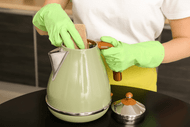
How to Clean a Kettle: A Complete, Natural Guide to a Scale-Free Shine
2026 Jun 25th
If your morning tea or coffee tastes a little flat, your kettle’s limescale is likely to blame. This guide explains how to clean a kettle quickly, safely, and thoroughly without harsh chemicals. You’ll learn practical, step-by-step methods, including how to naturally clean a kettle with vinegar, plus gentle alternatives like lemon and citric acid. With clear instructions, prevention tips, and answers to common questions, you’ll restore faster boiling, better flavor, and a longer-lasting appliance.
Why Descaling Your Kettle Matters
Limescale (calcium and magnesium deposits) builds up anywhere hard water is heated. In a kettle, it can dull flavor, slow boiling, increase energy use, and shorten the appliance’s lifespan. Regular descaling protects heating elements and prevents flakes from ending up in your cup. Fortunately, natural acids, especially white vinegar and lemon, dissolve mineral buildup effectively and affordably.
What You’ll Need
- White distilled vinegar
- Fresh water
- Lemon juice or citric acid powder (alternative to vinegar)
- Baking soda (for stubborn residue and deodorizing)
- Soft bottle brush or non-scratch sponge
- Microfiber cloth
- Small brush or old toothbrush for the spout and filter
- Optional: filtered water for everyday use to slow future buildup
Method 1: How to Clean a Kettle with Vinegar Naturally
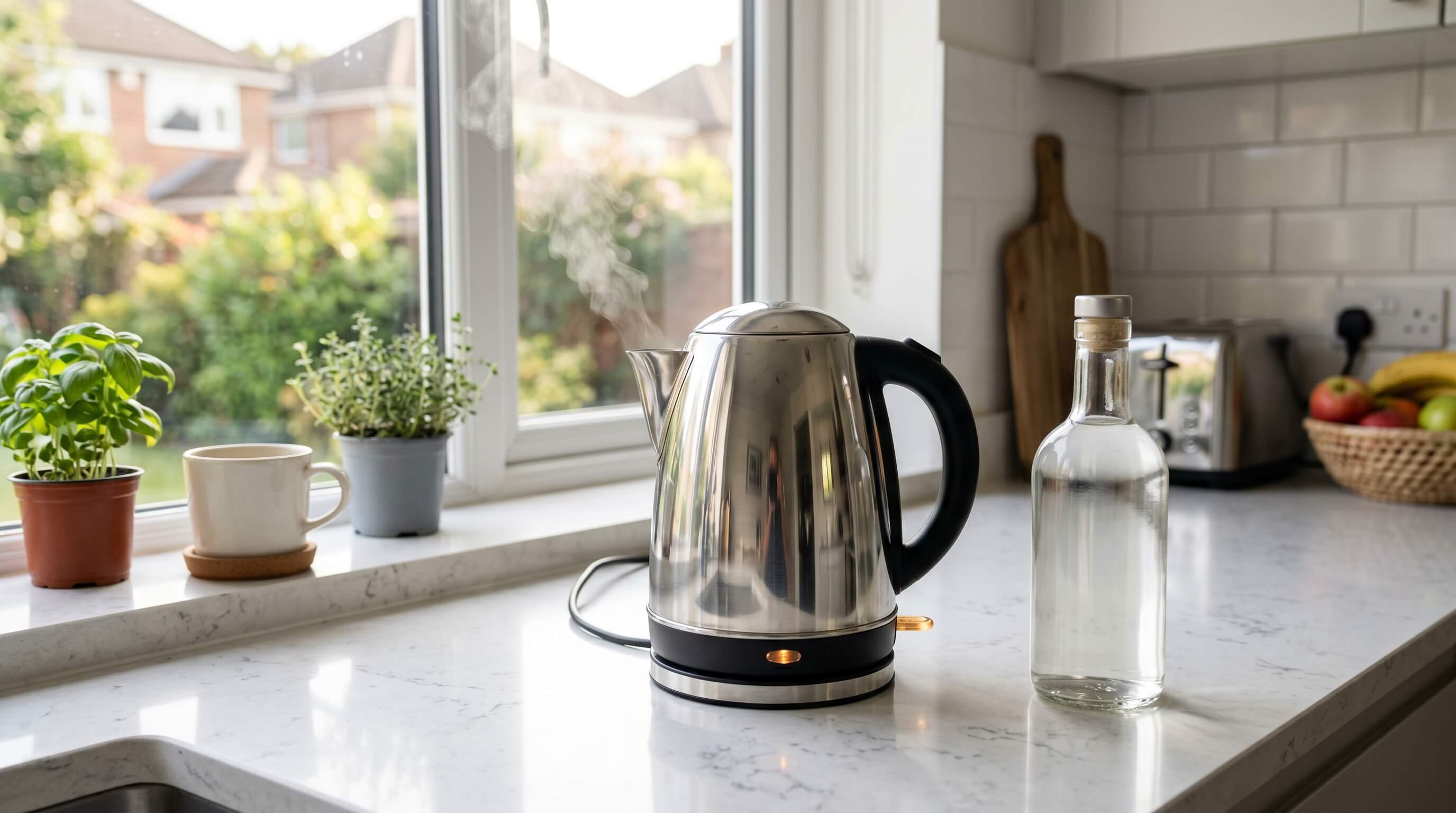
This is the fastest, most reliable way to dissolve limescale. Use plain white distilled vinegar; it’s food-safe, inexpensive, and leaves minimal after-odor when rinsed well.
- Unplug the kettle (if electric) and ensure it’s cool. Remove any detachable filters.
- Fill the kettle with a 1:1 mixture of white vinegar and water, just high enough to cover the scale line.
- Let it soak for 20–30 minutes to loosen heavy deposits.
- Bring the mixture to a boil once. For severe buildup, let it sit another 10–15 minutes after boiling.
- Pour out the solution. Gently scrub the interior with a soft brush or sponge to lift remaining scale.
- Rinse several times thoroughly with fresh water.
- Boil a full kettle of clean water, discard, and repeat once more to remove any vinegar traces.
Note that a faint vinegar smell is normal. A second boil-and-dump usually clears it. For plastic kettles or those with delicate coatings, dilute vinegar further (1:2 vinegar to water) and limit soak time to 10–15 minutes, checking the manual first.
- Safety notes:
- Never immerse an electric kettle base or heating element in water.
- Avoid abrasive pads that can scratch stainless steel, glass, or nonstick interiors.
- Check the user manual if the manufacturer advises against vinegar; use lemon or citric acid instead.
Method 2: Lemon or Citric Acid Alternative
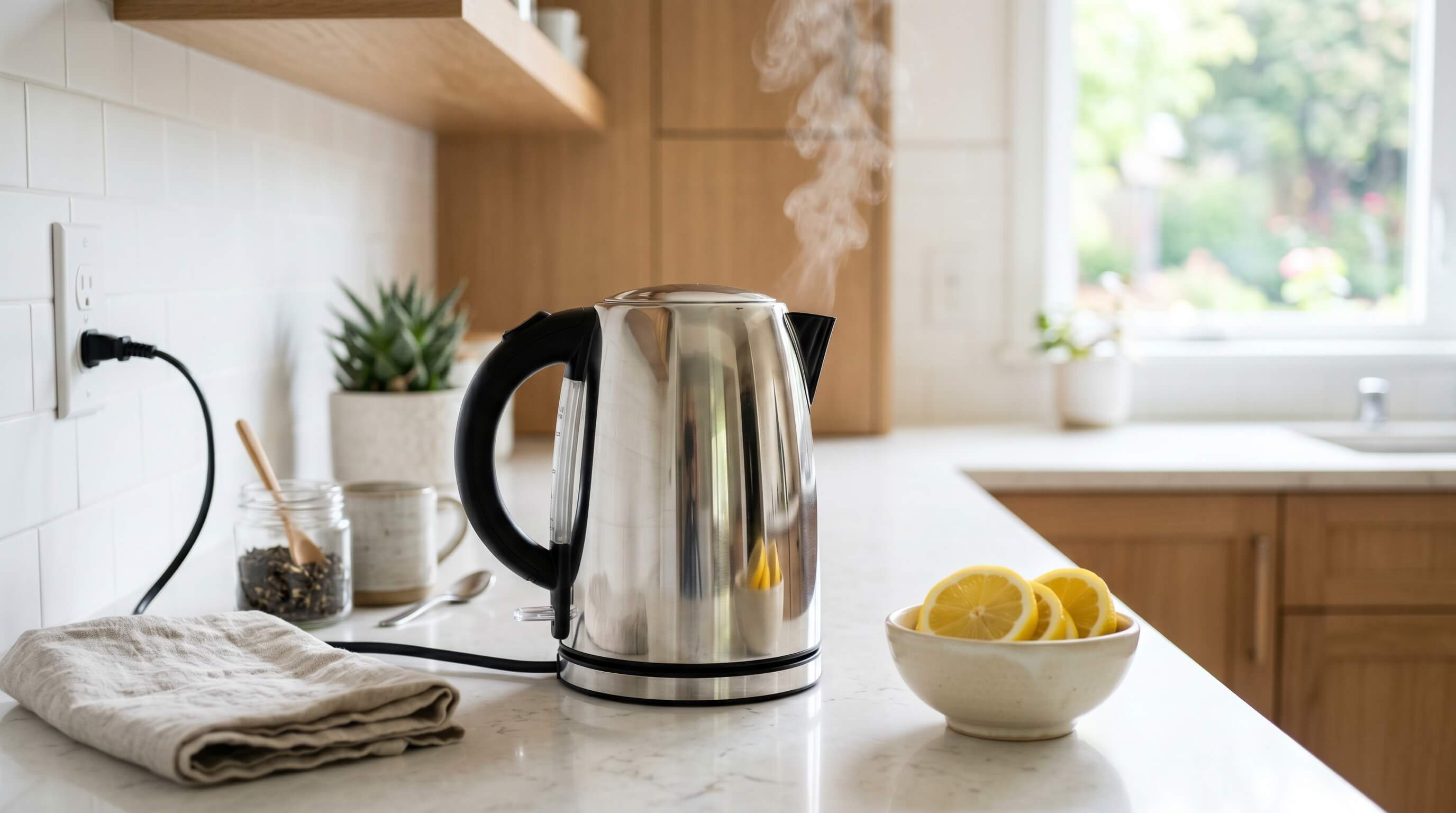
Prefer a fresher scent or your manual says “no vinegar”? Lemon and citric acid provide similar descaling power.
- Lemon: Add 1/2 cup lemon juice to 2 cups water (or use 2–3 sliced lemons). Soak 20–30 minutes, bring to a boil, cool briefly, pour out, and scrub. Rinse and complete one plain-water boil.
- Citric acid: Dissolve 1–2 tablespoons in a full kettle of warm water. Soak for 15–20 minutes, boil once, then rinse and boil in clean water. Citric acid is particularly effective on thick scale and leaves little odor.
Method 3: Baking Soda Boost for Stubborn Build-Up
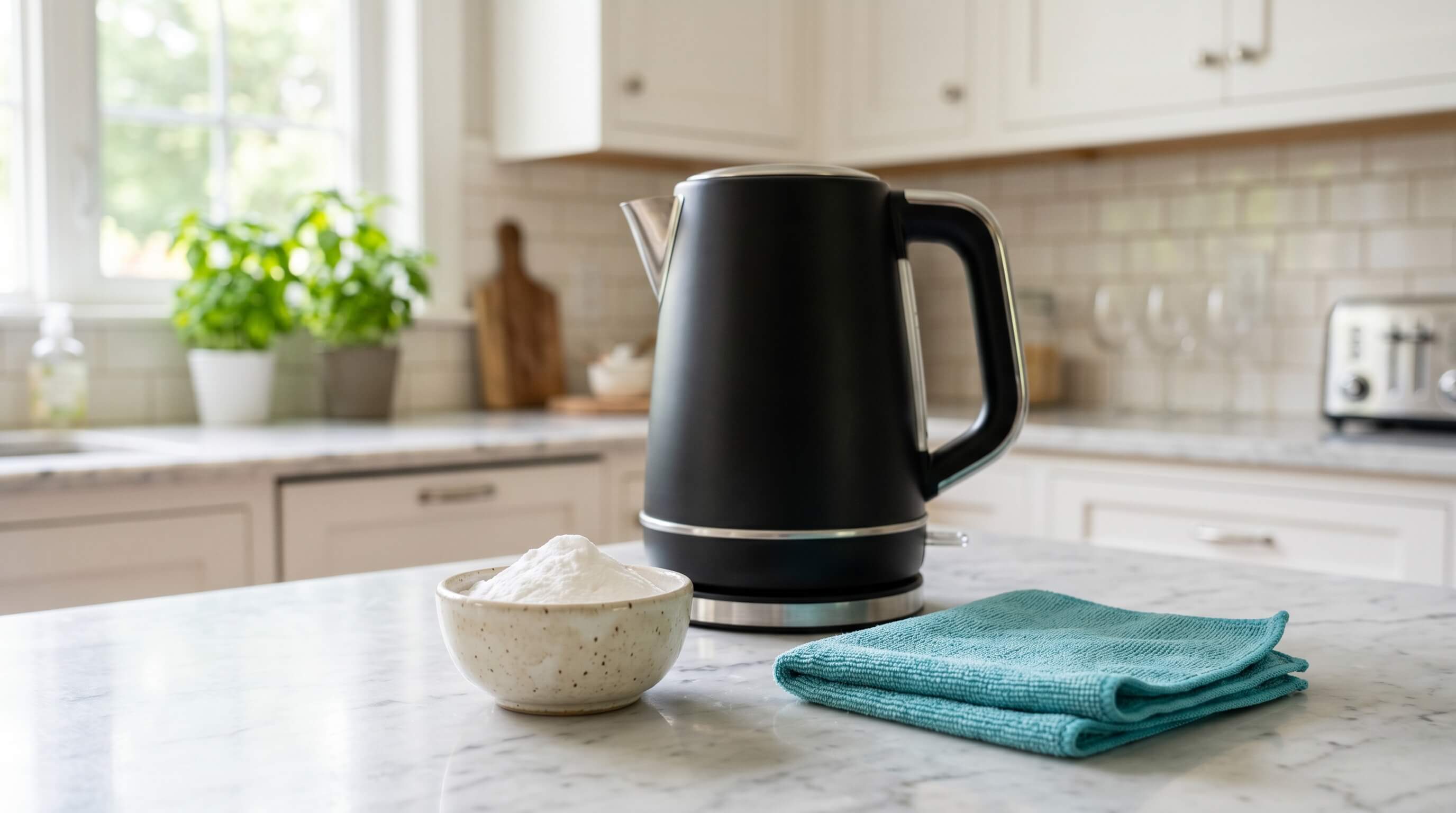
Baking soda doesn’t dissolve minerals like acids do, but it’s excellent for loosening grime and neutralizing odors following descaling. Create a mild paste (1 teaspoon of baking soda with a few drops of water). Gently polish the interior, spout, and mesh filter. Rinse thoroughly and do a final fresh-water boil.
Deep Clean: Exterior, Spout, and Filter
Descaling fixes the inside, but exterior grime and clogged filters also impact performance and taste.
- Exterior: Wipe with a damp microfiber cloth. For stainless steel, buff dry to prevent water spots.
- Spout: Use a small brush or toothbrush to remove mineral crust around the lip and inside the spout.
- Filter: Soak the removable mesh in warm water with a splash of vinegar or lemon juice for 10 minutes, then brush gently and rinse well.
How Often to Clean and Prevent Limescale Build-Up
Frequency depends on water hardness. In hard-water areas, descale every 1–2 weeks. In soft-water areas, monthly may suffice. Prevention slows future buildup and makes cleaning faster.
- Empty the kettle after each use and leave the lid open to air-dry.
- Use filtered or softened water to reduce mineral content.
- Do a quick mini-descale monthly: a short soak using lemon or a diluted vinegar mix.
- Wipe drips and splashes immediately to prevent crust forming at the rim.
- Clean the filter regularly to keep pours smooth and scale from circulating.
Troubleshooting by Kettle Type
- Electric: Keep water below the max line; never submerge the base. Ensure the kettle is unplugged and fully cool before cleaning.
- Stainless steel: Avoid steel wool; use soft tools to prevent scratching and dullness.
- Glass: Citric acid or lemon helps avoid lingering vinegar smell; handle gently to prevent micro-scratches.
- Plastic: Use a weaker vinegar solution and shorter soaks; always check the manual.
- Gooseneck: Swish the solution through the neck and use a narrow brush for interior curves.
FAQ: How to Clean a Kettle
Can I use apple cider vinegar instead of white vinegar?
Yes, but white distilled vinegar is preferred because it’s colorless and leaves less aroma. If you use apple cider vinegar, rinse and do two plain-water boils to clear the scent.
Is descaling safe for stainless steel and electric kettles?
Yes, when done properly. Use soft tools, follow the soak-and-rinse steps above, and avoid immersing electric components. Always consult the manufacturer’s instructions if unsure.
My kettle still smells like vinegar: what now?
Rinse thoroughly, then boil a full kettle of fresh water two or three times, discarding between boils. You can add a teaspoon of baking soda during one boil or finish with a brief lemon-water boil to neutralize any lingering odor.
Are commercial descalers better than natural methods?
Commercial descalers work well and can be faster on heavy scale, but natural methods like vinegar or citric acid are effective, economical, and eco-friendly. Choose what aligns with your kettle’s manual and your preferences.
How do I stop white flakes from appearing in my tea?
Those flakes are loosened minerals. Descale regularly, use filtered water, and always do a final clean-water boil after descaling. Keeping the filter clean also prevents particles from escaping into your cup.
