





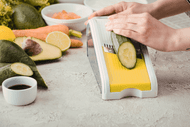
How to Use a Mandoline Slicer Safely and Efficiently: A Complete Guide
2026 Jan 19th
A mandoline slicer is a powerhouse for fast, uniform cuts that elevate everything from salads and slaws to gratins and pickles. When used correctly, it saves time, ensures consistent thickness, and delivers professional-looking results. This guide explains how to properly use a mandoline slicer, what vegetables are best sliced with a mandolin, and what common mandoline mistakes to avoid. You’ll also find safety tips, maintenance advice, and a quick FAQ to answer top questions.
What Is a Mandoline Slicer and Why Use One?
A mandoline slicer is a flat platform with an adjustable blade that lets you cut produce into precise slices, matchsticks (julienne), or waffle cuts. Compared with a knife, a mandoline delivers:
- Consistency: even slices cook uniformly and look polished.
- Speed: rapid prep for large batches of vegetables and fruits.
- Versatility: straight, V-blade, and interchangeable teeth for multiple cut styles.
Common uses include scalloped potatoes, cucumber salads, fennel carpaccio, homemade chips, coleslaw, and quick pickles.
How To Properly Use a Mandoline Slicer?
Set Up and Safety Essentials
Set the mandoline on a stable, non-slip surface. Use the hand guard that came with your model or wear a snug, cut-resistant glove. Keep a bowl or tray beneath the slicer to catch slices, and dry your produce thoroughly to prevent slipping.
Step-by-Step: Using a Mandoline
1. Choose your blade and thickness
Select the straight or V-blade for slices, or attach julienne teeth for shoestrings or matchsticks. Adjust thickness according to your recipe (e.g., 1–2 mm for chips, 3–4 mm for gratins, 6 mm for thick cuts).
2. Prep and square off produce
Trim ends to create flat surfaces; peel if needed. Halve large items (like cabbage) to fit the deck. Flat contact points reduce wobble and improve safety and accuracy.
3. Mount produce on the guard (or use a glove)
Secure the food with the mandoline’s hand guard or grip it firmly while wearing a cut-resistant glove. Keep fingertips above the guard at all times.
4. Slice with steady, downward strokes
Hold the mandoline steady with your non-dominant hand. Glide the food across the blade in smooth, even strokes, using light pressure. A slight diagonal angle helps achieve cleaner cuts with less force.
5. Stop before the last sliver
Never chase the final nub. When the guard no longer holds the produce securely, stop. Use leftover bits for stock, soups, or mince with a knife.
6. Clean and store safely
Rinse immediately to prevent residue from drying. Use a brush or sponge, never your bare fingers, around the blade. Dry thoroughly and store with a blade cover or lock engaged.
What Vegetables Are Best Sliced With A Mandoline?
The answer: firm, fresh produce that benefits from uniform thickness.
Note: the kitchen tool is spelled “mandoline”, though many people write “mandolin.”
Top produce for crisp, even slices
- Potatoes: chips, gratins, scalloped potatoes, and rösti.
- Cucumbers and zucchini: salads, sandwiches, and quick pickles.
- Onions and shallots: ultra-thin slices for frying or marinating.
- Cabbage and fennel: slaws and carpaccios.
- Carrots and beets: thin rounds or julienne for salads and roasts.
- Radishes and daikon: paper-thin garnishes and pickles.
- Apples and pears: chips, tarts, and delicate salads.
- Tomatoes (firm): thin slices for sandwiches; chill first for cleaner cuts.
Great uses by cut style
- Thin slices (1–2 mm): chips, carpaccio, sandwich toppings.
- Medium slices (3–4 mm): gratins, ratatouille, roasted vegetables.
- Julienne (2–4 mm): stir-fries, slaws, shoestring fries.
- Waffle/Crinkle: decorative chips and fun textures for dips.
What Are Common Mandoline Mistakes?
Skipping Safety Gear
One of the most common mandoline mistakes is skipping basic safety equipment. The food guard and a cut-resistant glove exist for a reason: they dramatically reduce the risk of serious hand injuries. Because mandolines use extremely sharp blades and require your hands to be close to the cutting surface, even a small slip can lead to deep cuts. Wearing protective gear allows you to work with more confidence and control, especially when slicing smaller or irregularly shaped ingredients.
Rushing
Speed is often mistaken for efficiency, but rushing on a mandoline usually leads to uneven slices and dangerous slips. Fast, forceful strokes reduce your control over the produce and the blade, increasing the chance that your hand will slide forward unexpectedly. Slower, steady movements help maintain consistent thickness while keeping your hands safely positioned behind the guard or glove.
Using Too Much Pressure
Applying excessive pressure can damage delicate fruits and vegetables and also increase the risk of accidents. Soft produce such as mushrooms, berries, or ripe tomatoes can become crushed, torn, or mashed instead of cleanly sliced. Gentle, even pressure allows the blade to do the work, producing smoother cuts and reducing strain on both your hands and the mandoline.
Not Leveling Produce
Uneven or rounded ends make ingredients unstable on the mandoline surface. When produce wobbles as you slice, your cuts become inconsistent and your hand position becomes less predictable. Taking a few seconds to trim and level the bottom of vegetables like potatoes, onions, or zucchini creates a flat surface that slides more smoothly and safely across the blade.
Choosing the Wrong Blade
Mandolines often come with multiple blade styles, and using the wrong one can negatively affect both results and safety. Straight blades are ideal for basic slices, V-blades handle dense produce more easily, and julienne blades are designed for thin strips. Matching the blade to the task ensures cleaner cuts, reduces resistance, and minimizes the need for excessive pressure.
Slicing Very Soft Produce Warm
Very soft produce tends to collapse or smear when sliced at room temperature. Warm tomatoes, peaches, or ripe pears can stick to the blade and tear instead of cutting cleanly. Chilling these ingredients for a short time firms them up, allowing for smoother, more precise slices and easier cleanup afterward.
Chasing the Last Sliver
Trying to slice every last piece of produce is one of the most dangerous habits when using a mandoline. As the remaining piece becomes smaller, your fingers naturally move closer to the blade. Stopping early and discarding or hand-cutting the final sliver significantly reduces the risk of serious injury.
Cleaning Barehanded
Cleaning a mandoline without tools is a common source of kitchen injuries. Even after use, blades remain extremely sharp and can easily cut through skin. Always use a brush or sponge with a handle to remove food residue, and disassemble the mandoline carefully to avoid direct contact with exposed blades.
Letting Blades Dull or Dirty
Dull or dirty blades require more force to slice, increasing the likelihood of slipping and uneven cuts. Regularly cleaning and maintaining sharp blades ensures smoother performance and makes slicing safer. Sharp blades may seem more dangerous, but they actually reduce the need for pressure and provide better control.
Poor Storage
Improper storage exposes blades to damage and increases the risk of accidental cuts when reaching into drawers. Uncovered mandoline blades can become nicked or dulled by contact with other utensils and pose a serious safety hazard. Using blade covers, protective cases, or dedicated storage compartments keeps both your tools and your hands safe while extending the life of the mandoline.
Advanced Tips for Pro Results
Texture, clarity, and flavor boosters
- For potato chips: rinse and soak slices in cold water to remove starch, then dry thoroughly.
- For onion sharpness control: soak thin slices in ice water 10 minutes, then drain.
- For tomatoes: refrigerate 20–30 minutes before slicing to firm the flesh.
- For cleaner cuts: lightly oil the deck and wipe dry; it reduces drag on starchy foods.
- For repeatable results: note the thickness setting per recipe in your cookbook or phone.
Troubleshooting and Maintenance
Quick fixes
- Uneven slices: verify the deck is level and produce ends are squared off.
- Food slips: dry the surface, switch to the guard, or wear a glove; use a non-slip mat.
- Tearing or ragged cuts: reduce pressure, switch to a V-blade, or chill produce.
- Sticking: wipe blade clean and dry; starch buildup causes drag.
- Dull blade: replace or professionally sharpen if your model supports it.
Always dry thoroughly after washing to prevent rust. Store with the safety lock engaged or with a blade cover.
FAQ
Is a mandoline slicer worth it?
Yes, if you value speed, uniformity, and presentation. It’s especially helpful for batch cooking, meal prep, and precise recipes like gratins and chips.
Can I slice cheese or meat on a mandoline?
Firm cheeses (like Parmesan) can be shaved; semi-firm cheeses may smear unless very cold. Slicing raw meat is not recommended: use a slicer or knife. Cooked, chilled meats may work cautiously.
Mandoline vs. mandolin: which is correct?
The kitchen tool is “mandoline.” “Mandolin” is the musical instrument. Many people mix them up when searching online.
Do I need a cut-resistant glove?
It’s highly recommended, ideally ANSI level A5 or similar. Use it along with the hand guard for maximum protection.
Is it dishwasher safe?
Check your manual. Many models are top-rack safe, but hand-washing preserves blade sharpness and prevents warping. Always use a brush around blades.
What thickness settings should I use?
Chips: 1–2 mm. Sandwich slices: 2–3 mm. Gratins: 3–4 mm. Fries/julienne: 2–4 mm. Adjust to taste and recipe requirements.
Can I sharpen a mandoline blade?
Some blades are replaceable; others can be professionally sharpened. Avoid DIY sharpening unless the manufacturer supports it.
How should I store my mandoline?
Engage the safety lock and use a blade cover or case. Keep it upright in a cabinet or in a drawer with guards on to prevent nicks and accidents.
