





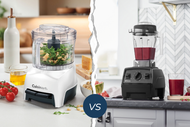
Food Processor vs Blender: Which One Should You Choose?
2025 Oct 20th
If you’ve found yourself wondering whether you need a food processor or a blender, you’re not alone. These two kitchen staples serve different purposes, but when it comes to versatility and performance, choosing the right one for your needs can make all the difference. Whether you’re making a creamy hummus, a silky smooth puree, or a refreshing smoothie, understanding the strengths of each appliance will help you make the right decision for your kitchen.
Is a Food Processor Better Than a Blender?
The short answer is: it depends. Both appliances have their strengths, and the choice often comes down to what you’re planning to make. A food processor excels at chopping, slicing, shredding, and even kneading dough. On the other hand, a blender is the go-to for liquids, smoothies, and pureeing ingredients to a silky consistency. So, is one "better" than the other? Not necessarily, each has a role in the kitchen depending on your culinary needs. Let's see some typical examples!
Blender vs Food Processor for Hummus
When it comes to making hummus, a food processor is typically the better choice. The reason? A food processor has a larger bowl and more power for combining ingredients like chickpeas, tahini, lemon, and garlic, and it can break down the ingredients into a thick, creamy consistency. You can also adjust the texture easily, adding water or olive oil to get your preferred consistency.
A blender, while it can certainly make hummus, may struggle with the thick, dense texture unless you’re using a high-powered one. The smaller container in a blender and the need for liquids to create a vortex can make it difficult to achieve the same creamy consistency as a food processor.
Blender vs Food Processor for Puree
When it comes to pureeing fruits or vegetables, both appliances can get the job done, but they do so in different ways. A food processor excels when dealing with soft fruits, cooked vegetables, or ingredients that require chopping before pureeing. It’s quick and efficient, especially when you need to handle a large batch of food.
On the other hand, a blender is often the better choice when making purees from more liquid-rich ingredients, such as tomatoes, or for making smoothies that require fine blending. If you’re aiming for a super-smooth, silky puree (think baby food or fine sauces), a high-powered blender will give you a smoother result.
Blender vs Food Processor for Smoothies
If you’re into making smoothies, a blender is definitely your best bet. It’s designed specifically for blending liquids and frozen ingredients like fruit, yogurt, or ice. A good blender can break down frozen fruits and ice cubes into a smooth, drinkable texture, making it the ideal appliance for making smoothies and shakes. Most blenders also come with preset functions for smoothies, so it’s an easy, one-button operation.
While a food processor can also make smoothies, it’s not ideal for blending liquids. A food processor’s bowl isn’t sealed like a blender’s, and it may struggle with the consistency, especially when there’s a lot of liquid involved. That said, a food processor can help you prep your smoothie ingredients, like chopping fruit or grinding seeds, before adding them to a blender.
Can I Use a Blender as a Substitute for a Food Processor?
While a blender can do some of the jobs of a food processor, such as blending, pureeing, and even grinding, it is not a perfect substitute for every task. A blender typically has a narrower focus, with a powerful motor designed for liquids and finer blending. A food processor, however, has a wider variety of blades and attachments, making it more versatile for chopping, slicing, dicing, and even kneading dough.
So, while you can use a blender for some food processing tasks like pureeing and making smoothies, a food processor will generally perform better with tasks that require more texture or cutting, such as chopping vegetables or preparing dough. In short, it’s not ideal to replace a food processor with a blender, especially if you plan on using it for anything beyond blending liquids.
What Are the Cons of Using a Blender as a Processor?
There are a few drawbacks to using a blender as a substitute for a food processor:
- Texture control: blenders don’t offer the same level of control over texture. They tend to create smoother results, so if you're looking for a chunky consistency, a food processor is your best choice.
- Chopping and slicing: blenders can’t chop or slice ingredients efficiently. You’d end up with uneven pieces, which may not be what you want in recipes that require precise cuts.
- Dry ingredients: blenders need liquid to create a vortex. If you're working with dry ingredients like nuts or certain veggies, the blender will have difficulty processing them without extra liquids.
- Smaller capacity: most blenders have smaller containers, which may limit your ability to process large quantities of food at once.
Can Food Processors Blend Food?
Food processors can blend, but they’re not as effective as blenders at doing so. A food processor is great for chopping, slicing, or pureeing food, but when it comes to blending liquids, it doesn’t quite match the performance of a blender. If you want to blend smoothies, soups, or anything that requires a very smooth consistency, a blender is a better option. However, a food processor can still handle some blending tasks, especially if you need a thicker, chunkier texture.
Final Thoughts
Choosing between a food processor and a blender depends on what you plan to make. If you’re making smoothies or need to puree ingredients to a silky texture, a blender is your best bet. For tasks like chopping, slicing, or making hummus, a food processor is more efficient and offers more versatility. In most kitchens, having both appliances will cover all your needs, but if you’re deciding between the two, consider the tasks that you do most often before making your choice.
